
Library Relocation in Berlin - Nationwide & Across Europe
Relocating extensive collections of books and magazines – or increasingly today, technical data storage media – is far more than a standard move or transport operation. Organizational and filing structures that have evolved over many years must be preserved and, in most cases, recreated at the new location. A library relocation is therefore not only about transporting physical items, but above all about transferring the underlying organizational structure into a new environment. After the move, everything should still be found exactly where it was before.
Comprehensive consultation and planning are therefore the foundation of a successful and smooth library relocation. Changes to cataloging systems and filing structures, as well as the merging and integration of different library collections, must also be included in the relocation planning. Individual requirements such as cleaning books and storage media, temporary storage solutions, or the need for continued access to specific media during the relocation process make every library relocation a unique project.
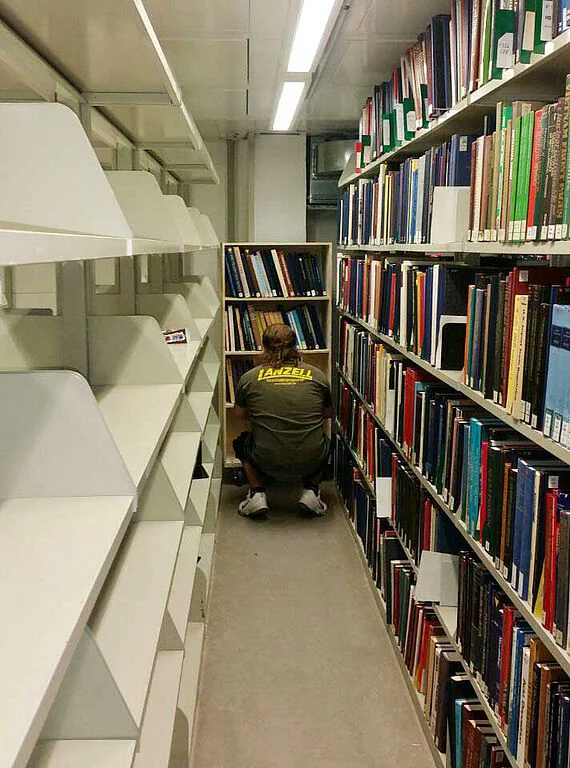
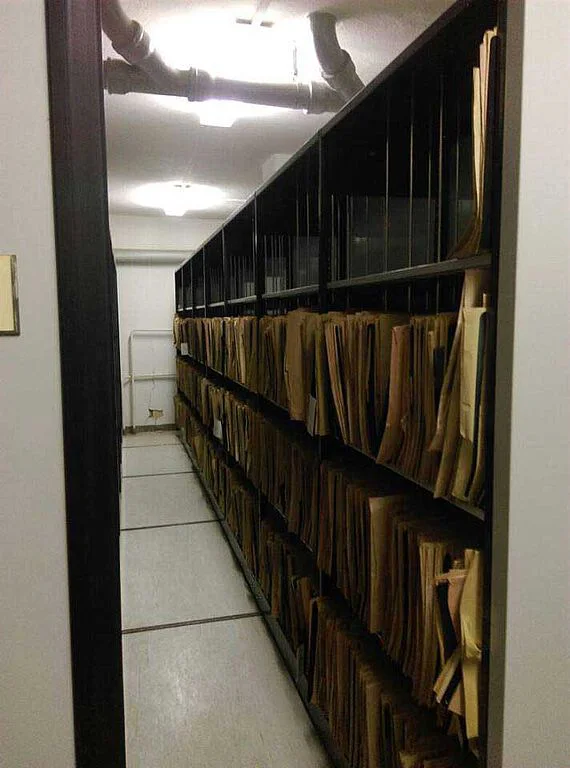
What Should Be Considered During a Library Relocation?
A library relocation is a complex task that requires careful planning. The following points are particularly important:
1. Planning and Preparation
- Early planning: A detailed schedule helps avoid delays.
- Inventory assessment: Record the entire collection to prevent losses.
- Labeling and cataloging: Every book or media item should be marked to simplify reorganization.
- Prioritization: Determine which media should be moved first (e.g. frequently used works).
- Space planning: The new location must be checked for capacity and shelf arrangement.
2. Logistics and Transportation
- Professional service provider: A library relocation is not a simple task. A company with relevant experience can help prevent damage or even loss.
- Suitable transport equipment: Book carts, special boxes or rolling containers help protect the collection.
- Climate protection: Sensitive media such as old books or digital storage media should be protected from moisture and temperature fluctuations.
3. Carrying Out the Relocation
- Systematic packing and unpacking: Pack according to a defined system (e.g. by catalog number or category).
- Documentation: Carry out regular inventory checks during the relocation process.
- Protection of the collection: Books and materials must be protected against dust, moisture and damage.
4. Setup at the New Location
- Restore shelf organization: Place books and media back in the correct order.
- IT and technical installation: Set up computers, databases and scanners.
- System testing: Verify that all catalog numbers are correct and the collection is complete.
- Communication with library users: Announce the relocation and possible restrictions at an early stage.
5. Follow-Up
- Inventory verification: An inventory check should be carried out after the move.
- Adjustment of workflows: Optimize processes if necessary.
- Collect feedback: Ask staff and users whether the relocation was successful.
Library Relocation with Lanzell Berlin
Lanzell GmbH Berlin has been an experienced service provider in the moving and logistics industry for more than 35 years. We specialize in complex and heavy transport and logistics tasks ranging from library relocations and archive relocations to heavy haul transportation. Our motivated and continuously trained employees ensure that relocations are carried out quickly and professionally, minimizing downtime without compromising on care and precision. Our specialists for IT and computer relocations also ensure that your technical infrastructure is operational again as quickly as possible so your library can resume operations without delay.
Checklist for a Smooth Library or Archive Relocation
1. Planning and Organization
- Define the relocation destination, date and schedule
- Assign project managers (internal and, if necessary, external)
- Plan and approve the relocation budget
- Hire an external company (with experience in library relocations)
- Review insurance coverage (transport and liability insurance)
- Create a communication plan (for staff, users and the public)
2. Inventory and Preparation
- Record and, if necessary, update the inventory (inventory lists, classification system)
- Sort books according to catalog number or classification system
- Remove damaged or outdated media
- Adjust loan periods and, if necessary, temporarily suspend borrowing
- Inform users about the relocation and possible downtime
- Procure packing materials (book boxes, rolling carts, labels, etc.)
3. Labeling and Packing
- Clearly label shelves, boxes and media (e.g. catalog range, shelf number)
- Pack books systematically and in the correct order
- Store media safely for transport (e.g. upright storage, avoid overloading)
- Secure and pack electronic devices separately
- Disassemble and label furniture and technical equipment if necessary
4. Transportation Phase
- Brief and supervise the moving service provider
- Keep transport routes clear and secure (elevators, hallways, parking areas)
- Use route cards or transportation plans
- Observe the unloading order (shelves first, then media)
- Comply with safety regulations (e.g. emergency exits, fire protection)
5. New Location: Setup and Installation
- Keep floor plans and layout plans available
- Assemble shelves and position them according to the classification system
- Arrange books systematically (by catalog number, subject area, etc.)
- Reconnect electronics (PCs, scanners, OPACs, etc.)
- Set up workstations, seating areas and service points
- Carry out a test run of the IT and library systems
6. Follow-Up and Reopening
- Check the inventory (spot checks, completeness)
- Release media for borrowing again
- Public relations: announce the reopening (website, press, social media)
- Review and evaluation (What worked well? What can be improved?)
- Collect feedback from the team
- Prepare a final report (including inventory changes, costs and findings)

