
Archive relocation in Berlin - Nationwide & across Europe
Relocating archives involves very specific planning and logistical requirements that go far beyond those of a standard move. Archives and filing systems that have developed over many years or even decades depend on their carefully established structure and order. An archive relocation is therefore a critical intervention that can quickly destroy years of organizational work if the move is not carried out with the necessary care and attention. The process becomes even more challenging when several archives are to be merged into a single archive or otherwise reorganized during the relocation process.
The preparation required for an archive relocation naturally includes a precise inventory assessment as well as an evaluation of the new premises to determine whether they are suitable for maintaining the current archive structure. Based on this, an appropriate relocation plan is developed in close cooperation with the client. Depending on the type of archive – filing systems, museum archives, media archives, libraries, administrative archives or interim archives – different requirements must be fulfilled during the move itself. There is no one-size-fits-all solution.

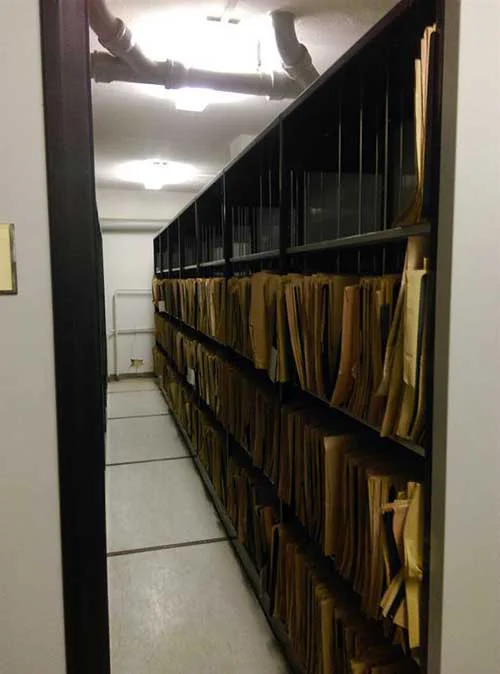
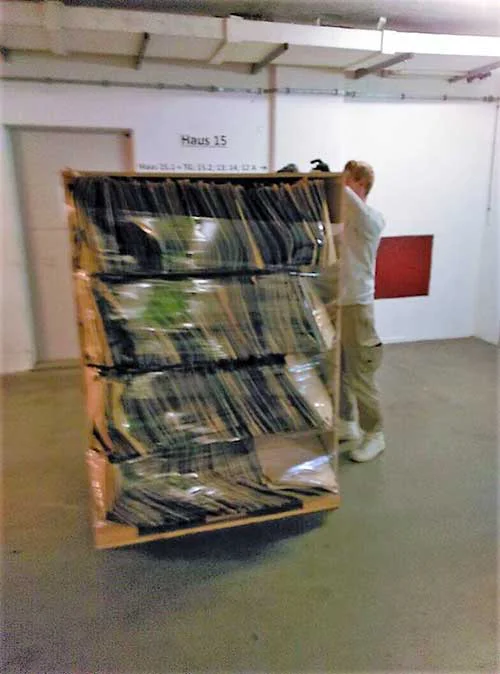
What should be considered during an archive relocation?
Preparatory Work for Archive Relocation
An archive relocation requires careful planning and execution to safely and efficiently transfer valuable records to new premises. The first step is a detailed inventory of the archival materials. This includes documenting the scope and type of materials as well as assessing their condition. Based on this information, the required packaging and transport support can be planned. Sensitive materials such as old paper documents, photographs or films require special protection, for example through specialized packaging that safeguards them against moisture, temperature fluctuations and physical damage.
Transportation During Archive Relocation
Only a specialized transport company with experience in handling archival materials and knowledge of the specific requirements should be hired for the move. It is also important to develop a structured system for recording and labeling all packaging units in advance, ensuring that the archival materials can be placed quickly and securely in the correct order and designated locations at the destination. Ideally, each archive item should be returned to the same relative location it occupied before the move in order to avoid confusion and reduce future search efforts.
The New Archive Facility
The new premises should ideally meet all conservation requirements. This means they should provide a stable climate, effective security measures (against fire, burglary and moisture), and sufficient space for organized storage. Before moving in, it is advisable to ensure that all technical equipment such as climate control systems and security installations are functioning properly in order to minimize the risk of damage.
Post-Move Tasks
After the relocation, a thorough inspection of the inventory is required to ensure that all archival materials have been transferred without damage and placed in the correct order at their new location. If necessary, additional adjustments can then be made to the organization or storage system. Through forward-looking planning and structured execution with professional support, an archive relocation can be carried out successfully, ensuring that the archival materials remain preserved and accessible for future generations.
Archive relocation with Lanzell Berlin
Lanzell GmbH Berlin has been a professional service provider in the moving and logistics industry for more than 35 years. We specialize in heavy and complex transport and logistics tasks ranging from machine transport to archive relocation. With motivated and continuously trained employees, we develop the right concept for your archive relocation and ensure smooth execution. This helps minimize costly downtime and ensures that your archive can quickly resume operations.
Archive relocation tailored entirely to your individual requirements:
- Municipal archives (city administration, district offices, town halls, archive authorities, tax offices, building authorities, schools, ...)
- State archives
- Church archives
- Museum archives
- Business archives (companies, law firms, chambers, associations, ...)
- Private archives
- Media archives (film archives, press archives, image archives, photo archives, audio archives, ...)
- University archives (universities, universities of applied sciences, student organizations, ...)
Checklist for a smooth archive or library relocation
1. Planning and organization
- Define the relocation destination, date and schedule
- Assign project managers (internal and, if necessary, external)
- Plan and approve the relocation budget
- Hire an external company (with experience in library relocations)
- Review insurance coverage (transport and liability insurance)
- Create a communication plan (for staff, users and the public)
2. Inventory and preparation
- Record and, if necessary, update the inventory (inventory lists, classification system)
- Sort books according to signature or classification system
- Remove damaged or outdated media
- Adjust loan periods and, if necessary, temporarily suspend borrowing
- Inform users about the relocation and possible downtime
- Procure packing materials (book boxes, rolling carts, labels, etc.)
3. Labeling and packing
- Clearly label shelves, boxes and media (e.g. signature range, shelf number)
- Pack books systematically and in the correct order
- Secure media safely for transport (e.g. upright storage, avoid overloading boxes)
- Secure and pack electronic devices separately
- Disassemble and label furniture and technical equipment if necessary
4. Transportation phase
- Brief and supervise the moving service provider
- Keep transport routes clear and secure (elevators, walkways, parking spaces)
- Use route cards or transport plans
- Observe the unloading sequence (shelves first, then media)
- Comply with safety regulations (e.g. emergency exits, fire protection)
5. New location: Setup and installation
- Keep floor plans and placement plans available
- Assemble shelves and position them according to the classification system
- Arrange books systematically (by signature, subject area, etc.)
- Reconnect electronics (PCs, scanners, OPACs, etc.)
- Set up workstations, seating areas and service points
- Carry out a test run of the IT and library systems
6. Follow-Up and reopening
- Check the inventory (spot checks, completeness)
- Release media for borrowing again
- Public relations: announce the reopening (website, press, social media)
- Review and evaluation (What worked well? What can be improved?)
- Collect feedback from the team
- Prepare a final report (including inventory changes, costs and findings)

